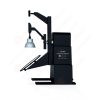
LM-79 Goniofotometar s detektorom kretanja (ogledalo tipa C)
LSG-6000
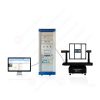
Goniofotometar svjetiljke visoke preciznosti
LSG-1890B
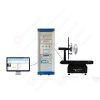
Visoko precizna rotacijska svjetiljka Goniospektroradiometar
LSG-1890BCCD

Goniofotometar za automobilske i signalne svjetiljke
LSG-1950
Goniofotometar za svjetiljke prometnih signala
LSG-1950S
VAD uređaj za vizualno upozorenje na požarni alarm Goniofotometar
LSG-1930
Kompaktni goniofotometar
LSG-1200A
LED goniofotometar
LSG-1100
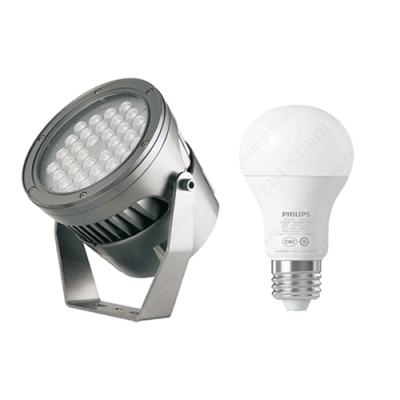 Ispitivanja LED-ova i svjetiljki
 LM-79 i LM-80 Testna rješenja
 Rješenja za testiranje LED vozača
 Rješenja za testiranje kućanskih aparata
 Rješenja za ispitivanje mobilnih i mreža
 Rješenja za ispitivanje automobilske elektronike
 Audio-video i IT rješenja za testiranje
 Rješenja za ispitivanje kabela i žica
 Rješenja za testiranje utikača i utičnica
 Rješenja za testiranje prekidača za napajanje
 Rješenja za ispitivanje transformatora
 Rješenja za testiranje električnih igračaka
 Rješenja za ispitivanje mjerača energije
 Rješenja za ispitivanje motornih alata
Odaberite organizaciju
pregledavati standarde
Sažetak
With the continuous expansion of control scope under EU RoHS 2.0, export‑oriented electrical and electronic enterprises are confronted with stricter requirements for hazardous substance control. Hazardous substance screening for supply‑chain materials has become a core link for product compliance. RoHS Compliance Testing Equipment can detect various restricted substances regulated by the RoHS directive, helping enterprises identify toxic and hazardous substances contained in raw materials, components and finished products, and avoiding trade risks such as export notifications and product recalls. This paper takes LISUN EDX‑4 RoHS 2.0 Test Equipment as the research object. Combined with the regulatory background of EU RoHS 2.0 revised directive (EU) 2015/863, it illustrates the application value of RoHS Compliance Testing Equipment in quality control of electrical‑electronic supply chains, and introduces the equipment’s technical scheme, system composition, analytical performance indicators and practical industry application scenarios, so as to provide reference for domestic electrical and electronic manufacturers to implement RoHS compliance management.
On June 4, 2015, the Official Journal of the European Union (OJ) officially published the RoHS 2.0 revised directive (EU) 2015/863. Based on the original six RoHS restricted substances including lead, cadmium, mercury, hexavalent chromium, polybrominated biphenyls and polybrominated diphenyl ethers, four phthalates were added to the RoHS 2.0 restricted‑substance list, with mandatory enforcement starting from July 22, 2019. Among them, the traditional six heavy‑metal and brominated flame‑retardant substances can be rapidly screened by LISUN EDX‑2A RoHS Tester. However, the four newly‑added phthalates DEHP, BBP, DBP and DIBP are organic plasticizers widely used in PVC cables, plastic housings, rubber, adhesives, printing inks and other electrical‑electronic component materials. Conventional X‑ray fluorescence instruments cannot effectively detect organic phthalate substances. Enterprises must deploy dedicated RoHS Compliance Testing Equipment for phthalate screening to complete full detection of all ten RoHS 2.0 substances.
The four phthalates feature endocrine‑disrupting and reproductive toxicity. Under EU regulations, the limit value for each phthalate in homogeneous materials is 0.1 %. Phthalate plasticizers may be introduced into plastic and rubber components of numerous electrical‑electronic products during raw‑material modification. Inadequate upstream incoming‑material control in the supply chain can lead to phthalate exceedance in final finished products even if no relevant substances are added in the assembly phase. Conventional chemical extraction testing requires complex sample pre‑treatment, consumes large volumes of chemical reagents and generates waste liquid and gas, which imposes high requirements on laboratory environments and operator expertise, and hardly meets the demands for high‑volume rapid incoming‑material screening inside factories. The rapid‑screening solution offered by RoHS Compliance Testing Equipment makes up for the shortcomings of traditional chemical‑detection methods and plays an important role in incoming‑material inspection and finished‑product ex‑factory testing.
LISUN EDX‑4 RoHS 2.0 Test Equipment adopts the technical route of pyrolysis‑desorption coupled with gas‑chromatography FID detection, specially developed for rapid screening of the four phthalates newly added under RoHS 2.0. The complete system mainly consists of a pyrolysis‑desorber, gas chromatograph, dedicated chromatographic column, chromatography workstation, electronic balance, phthalate reference standards, various experimental consumables and supporting gas generation equipment. The equipment supports direct solid‑sample injection without pre‑treatment steps such as ultrasonic extraction or chemical‑reagent soaking. Single‑sample testing takes approximately 20 minutes. Its sample applicability covers soluble, sparingly‑soluble and insoluble polymer materials. Compared with conventional chemical methods which are only applicable to around 70 % of samples, this equipment achieves 100 % sample coverage. No waste gas or waste liquid is generated during operation, and complicated EIA procedures are not required. The equipment can be deployed in an ordinary laboratory space equipped with air‑conditioning, power supply and nitrogen‑gas source. Peak height and peak‑area data obtained from tests on five concentration‑gradient DIBP standard samples by the equipment are shown in the table below.
| Koncentracija (ppm) | Visina vrha (pA) | Vrh površine (A) |
|---|---|---|
| 50 | 2038.7 | 8472.5 |
| 100 | 2829.6 | 12607.7 |
| 250 | 5720.6 | 24674.0 |
| 500 | 12090.8 | 53037.4 |
| 1000 | 24747.2 | 120759.3 |
The pyrolysis‑desorber serves as the core sample‑processing unit. Its pyrolysis‑tube temperature ranges from ambient temperature up to 450 ℃ with a heating rate above 500 ℃ per minute. Pyrolysis duration, purge time and purge flow rate are freely configurable, enabling thermal desorption and volatilization of the four phthalates inside solid samples for delivery into the gas‑chromatography system. The gas chromatograph is fitted with an FID hydrogen‑flame‑ionization detector with detector limit Mt ≤ 5×10‑12 g/s. It features gas‑cut‑off protection, baseline electronic compensation and fault self‑diagnosis, and cooperates with an imported dedicated chromatographic column to achieve effective separation of the four phthalate components. Experimental verification shows that this RoHS Compliance Testing Equipment reaches a limit of detection of 25 ppm calculated by three‑fold signal‑to‑noise ratio, outperforming the conventional 50 ppm LOD of PY‑GC‑MS. Its linear correlation coefficient exceeds 0.998, and the precision‑test RSD is 5.24 %, satisfying the performance requirements for in‑house rapid material screening. Operation is straightforward: solid samples are only required to be cut and placed inside quartz tubes, fixed with quartz wool and loaded into the heating chamber to start testing. The chromatography workstation can generate complete test reports with one‑click operation and lower operator workload.
Within supply‑chain quality‑control workflows, RoHS Compliance Testing Equipment can be applied at multiple critical quality nodes. Firstly, for incoming‑material inspection: when upstream materials such as plastic pellets, rubber granules, cable wires, adhesives and packaging materials of electrical‑electronic enterprises are received into warehouses, the equipment is used for rapid phthalate screening to identify non‑compliant materials at source and block unqualified raw materials from entering production lines, so as to avoid economic losses caused by subsequent finished‑product scrapping. Secondly, in new‑product R&D: researchers evaluate hazardous substances in new materials and new components, screen compliant raw‑material options and optimize material selection to meet RoHS 2.0 regulatory requirements from the design phase. Thirdly, finished‑product ex‑factory inspection: sampling tests are carried out on end‑products such as earphone housings, charger plastic parts and mobile‑phone back‑panel polymer materials to confirm whether phthalate content of finished products complies with EU control limits. Fourthly, supply‑chain risk assessment: when suppliers are changed or material formulas are adjusted, comparative tests are performed with RoHS Compliance Testing Equipment to identify risks of hazardous‑substance exceedance brought by formula modifications. Apart from the electrical‑electronic industry, this equipment is also applicable to toy, medical‑device and packaging‑material industries requiring phthalate control.
From practical engineering cases, EDX‑4 RoHS 2.0 Test Equipment can perform direct solid‑sample injection testing for scenarios including PVC plastic‑raw‑material screening for earphone manufacturers, PVC‑powder testing for Europe‑exported chargers and polymer‑material testing for mobile‑phone back panels, delivering rapid screening results without complicated pre‑treatment. It should be noted that this equipment is positioned as an in‑house rapid‑screening tool. When screening results approach regulatory limit values, standard chemical‑extraction methods shall be adopted for further confirmation to guarantee legal validity of export product reports.
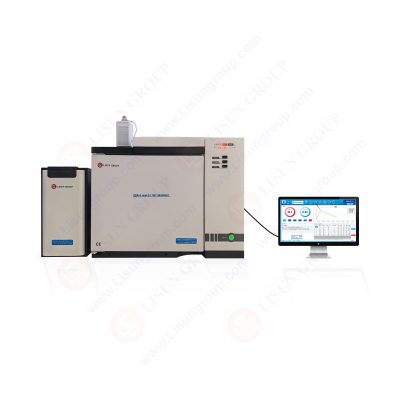
EDX-4 ROHS 2.0 oprema za testiranje
When enterprises deploy internal RoHS management systems with RoHS Compliance Testing Equipment, instruments alone are insufficient and complete control workflows must be established. First of all, different test objects should be distinguished: the six inorganic RoHS substances can be screened by the EDX‑2A X‑ray fluorescence tester, while the four organic phthalates require pyrolysis‑gas‑chromatography‑based equipment such as EDX‑4. Only by combining the two sets of instruments can all ten restricted substances under RoHS 2.0 be fully covered. Secondly, sample preparation directly affects test results. Solid‑sample sampling shall be representative of materials, and partial‑material‑only sampling that distorts test results shall be avoided. Meanwhile, the equipment shall be periodically verified and calibrated with reference standards to maintain key performance indicators such as limit of detection, linearity and repeatability within qualified ranges. Enterprises should establish a three‑level testing mechanism covering materials, components and finished products, and embed RoHS control throughout the whole supply‑chain workflow instead of merely relying on end‑product testing.
After the implementation of EU revised directive (EU) 2015/863, RoHS 2.0 expanded from six to ten restricted substances, and detection of organic phthalates has become a non‑negligible link for export compliance of electrical‑electronic products. Long testing cycles of third‑party‑laboratory tests can hardly satisfy factory‑side demands for high‑volume rapid‑material screening. RoHS Compliance Testing Equipment provides in‑house rapid‑detection means for manufacturers. LISUN EDX‑4 RoHS 2.0 Test Equipment adopts pyrolysis‑desorption gas‑chromatography technology, requires no complicated chemical pre‑treatment, features broad sample coverage, and its limit‑of‑detection and repeatability indicators meet enterprise‑screening requirements. It helps enterprises identify phthalate‑exceedance risks in advance and improve supply‑chain quality‑control systems. Domestic electrical‑electronic manufacturers shall fully recognize compliance pressure brought by RoHS 2.0 regulatory updates, properly deploy RoHS Compliance Testing Equipment, build whole‑chain hazardous‑substance management capabilities covering incoming‑material inspection, R&D and finished‑product verification, mitigate trade risks such as product‑export notifications and recalls, and guarantee stable and secure supply chains.
Oznake:EDX-4Vaša adresa e-pošte neće biti objavljena. Obavezna polja su označena *

 Engleski
 中文简体
中文简体 Русский
 Español
 Português
 Türkçe
 العربية
 Deutsch
 Polski
 Italiano
 Français
 한국어
한국어 ไทย
ไทย Tiếng Việt
 日本語
日本語